
"Production season"
7000 article(s) found

Geo-climatic production process of coffee in Rwanda
Malaba Coffee grows in southern Rwanda, about 12 kilometers (7 miles) from the city of Butare and 150 kilometers (93 miles) from the capital, Gejali. The plan began in the Malaba area of Butare province, but was taken over by a local government organization in 2006, which is now part of the Huye district of the southern province. Due to its proximity to the East African Rift Valley and the Neuenway Forest Mountains, this area has many topography.

Which coffee varieties are resistant to leaf rust? Control of coffee leaf rust and its harm to economy
When coffee rust first appeared in Brazil, almost all coffee in the Americas, and even almost all commercially produced coffee, could be traced back to a tree planted in King Louis XIV's greenhouse in 1713. Genetic consistency in commercial coffee production poses (and continues to pose) a huge potential risk of devastating epidemics. Wild coffee species have been known for some time
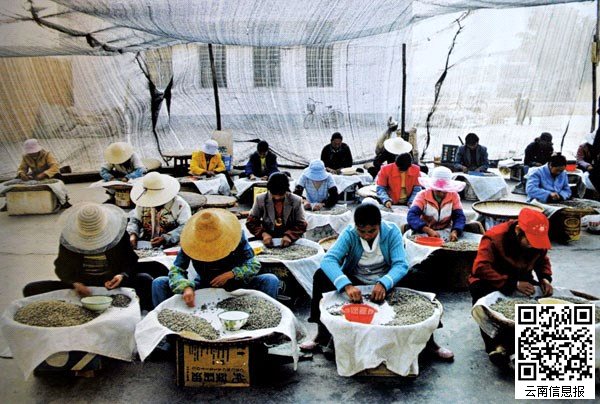
Yunnan coffee beans are harvested at the end of this season, and the current purchase price is slightly profitable.
The farmers are sorting coffee beans. Our reporter Zhao Yongfeng photographed in late April, Yunnan coffee harvest work has been completed, and in 2014 2015 this harvest season, Yunnan coffee bean prices can be described as twists and turns, from the peak of about 26 yuan / kg to the current 18 yuan / kg, coffee bean prices have dropped by about 8 yuan / kg. For the fluctuation of coffee price in Yunnan, Yunnan Province

Introduction to the Variety characteristics of Brazilian Coffee Bean picking season-planting Environment Flavor description method
Brazilian Coffee Bean picking season-planting Environment Flavor description treatment Variety characteristics A coffee tree's vigorous production period usually lasts about 15 years, of course, some trees are still fruitful for 20 or 30 years. As soon as the coffee tree loses its ability to bear fruit, it will be cut down on the spot and uprooted so as not to compete for nutrients with other trees that are still strong and can bear fruit. Coffee production is related to the types and types of coffee trees

Production conditions and soil Management of Coffee trees
Coffee trees-production conditions Coffee trees Coffee Tree Atlas 1. Planting conditions of coffee trees the ideal planting conditions for coffee trees are: the temperature climate is between 15 and 25 ℃, and the annual rainfall must reach 1500 to 2000 mm. At the same time, the rainfall time should be in line with the flowering cycle of coffee trees. Of course, in addition to the seasonal rainfall, there should be fertile soil.

coffee producing areas| Kenya coffee production characteristics and classification system introduction
Kenya is also a well-known coffee-producing country in Africa. Kenya is the full name of Kenya Republic. It is located in eastern Africa, with the equator traversing the central part and the Great Rift Valley running from north to south. It borders Somalia to the east, Tanzania to the south, Uganda to the west, Ethiopia and Sudan to the north, and the Indian Ocean to the southeast. There are many plateaus in the territory, with an average altitude of 1500 meters. Kilinaga Peak (Kenny) in the middle

The production process of Rwandan coffee beans how is high-quality Rwandan coffee produced? Rwanda
The biggest harvest season for Rwandan coffee is during the main rainy season, from March to the end of May. During the harvest season, farmers spend most of their day picking coffee fruits by hand. In the afternoon, farmers carry coffee fruits in traditional baskets made of banana leaves to a cleaning station a few hours away. The mechanic uses his hands to make the best quality coffee with crimson color.

Coffee production process and Geoclimate in Rwanda
Maraba Coffee, the geographic and climatic editor, is grown in southern Rwanda, about 12km (7 miles) from the city of Butare and 150km (93 miles) from the capital, Gejali. The plan began in the Malaba area of Butare province, but was taken over by a local government organization in 2006, which is now part of the Huye district of the southern province. Due to its proximity to the East African Rift Valley and Neuenweisen,

Colombian Coffee Lazimus Manor in the Andean region introduces fine coffee
According to regional tradition, Colombian coffee is often referred to as: Armenian / Medellin Gourmet. A few years ago, coffee began to be sold under the regional name: Popayan, Bucaramanga, Huila, Tolima, Medellin, Nario became the main coffee producing region in Colombia. There are two obvious coffee production periods: the Main crop (main season), the and season (Mitaca).

Geo-climatic production process of coffee in Rwanda
Malaba Coffee grows in southern Rwanda, about 12 kilometers (7 miles) from the city of Butare and 150 kilometers (93 miles) from the capital, Gejali. The plan began in the Malaba area of Butare province, but was taken over by a local government organization in 2006, which is now part of the Huye district of the southern province. Due to its proximity to the East African Rift Valley and the Neuenway Forest Mountains, the terrain

A brief introduction to the market price of glossy Kenyan boutique coffee beans
Coffee cultivation in Kenya is mainly divided into two types: large farms (Estate) and cooperatives (Cooperatives). The former generally has a large planting area and has independent coffee processing facilities. Most coffee production is done by a large number of small farmers, who form coffee cooperatives. The Coffee Cooperative Society hired special managers to supervise the coffee handling of its members.

Brazilian boutique coffee producing area information Brazilian coffee production reduction stimulates Arabica coffee price to rise
Professional coffee knowledge exchange more information about coffee beans Please follow the coffee workshop (Wechat official account cafe_style) the price of Arabica coffee reached a 14-month high at the end of February this year. Although prices fell at the end of February and early March, they also exceeded pre-COVID-19 levels. MichaelaHelby, Research Agricultural analyst of Commercial Bank

Description of coffee flavor and cup test results in the latest production season in 2018.
For the exchange of professional baristas, please follow the coffee workshop (Wechat official account cafe_style) Ethiopia Solar Yega Xuefei G1 Snow Picture (Ethiopia Natural Yirgacheffe Chelelektu G1) Flavor description: raisins, dark berries, tropical fruits and caramel, delicate aftertaste country: Ethiopia (Ethiopia) producing area: Yega Xuefei (Yirgacheffe)

A brief introduction to the flavor and aroma characteristics of Kenyan boutique coffee beans
Coffee cultivation in Kenya is mainly divided into two types: large farms (Estate) and cooperatives (Cooperatives). The former generally has a large planting area and has independent coffee processing facilities. Most coffee production is done by a large number of small farmers, who form coffee cooperatives. The Coffee Cooperative Society hired special managers to supervise the coffee handling of its members.

Description of local native species flavor in the latest production season introduction to the characteristics of Dumeso Cooperative
For the exchange of professional baristas, please follow the coffee workshop (Wechat official account cafe_style) Cup Test 92 points Ethiopia Sun Yega Xuefei G1 Dumeso (Ethiopia Natural Yirgacheffe Dumerso G1) Flavor description: grapes, sweet oranges and peaches, cocoa, full aroma, good cleanliness, citrus orange fruit notes, good sweetness, good cleanliness balance, black tea

Colombia Cauca Valley Coffee Flavor Description Processing Variety Characteristics Taste Introduction
Colombia coffee production area introduction Colombia spans the northern and southern hemispheres, the country coffee production area is mostly located between 2-8 degrees north latitude, coffee production area is concentrated in the three rivers and two rivers area, that is, part of the Andes Mountains in Colombia (Cordillera Mountains), Colombia river origin almost from the Andes Mountains. Good coffee producing areas, mostly with high poster height (Colombia first
A brief introduction to the origin, development, history and culture of glossy Kenyan boutique coffee beans
Kenya coffee harvest season there are two harvest seasons in Kenya, the main harvest season is from October to December and the secondary harvest season is from May to July. Large coffee processing farms in Kenya usually have independent processing facilities. A large number of small farmers usually pick ripe coffee fruits by hand. Coffee picking is a labor-intensive job, which requires the whole family to go out or even return during the harvest season.

Introduction to the characteristics of Grinding degree in Coffee Bean producing area of Colombia
Colombian coffee beans Colombia is the world's third (and second) coffee producer and exporter, but there is no doubt that Colombia is the world's largest exporter of Arabica coffee and the largest exporter of washed beans. Such a large yield is due to Colombia's unique natural soil and water environment and scientific planting technology. Columby
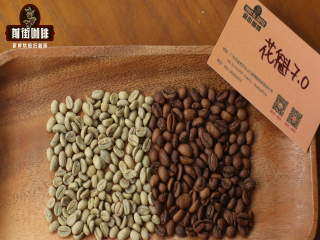
Introduction to the flavor and taste of Xidama Sun Huakui 7.0 Coffee Bean Humbela Sakui Coffee in the new season
Huakui coffee beans have been deeply concerned by domestic coffee practitioners and enthusiasts. The whole coffee circle has been discussed before the new season Sakuran coffee beans arrive in Hong Kong every year. Everyone hopes that the new year's Huakui coffee will still be as sweet as strawberries and smooth as cream. And Sakui 7.0 in the latest season

Costa Rica expects coffee production to increase
According to a report released by the Costa Rican Coffee Association (ICAFE), it is expected that during the upcoming coffee harvest season from October this year to September next year, Costa Rican coffee production will increase by 4.5% compared with the same period last year, and the rise in coffee prices will slow down, according to the Efi news agency. In the last two harvest seasons, Central American countries, including Colombia, were seriously affected by coffee rust, resulting in a massive reduction in coffee production, resulting in Allah.